
Blog
Refrigerant Leaks on Commercial Refrigeration: What the EPA Rule Says
The EPA's leak repair rule covers appliances with 50 or more pounds of ozone-depleting refrigerant. Here is the 20% trigger, the 30-day clock and what a restaurant owner should know.
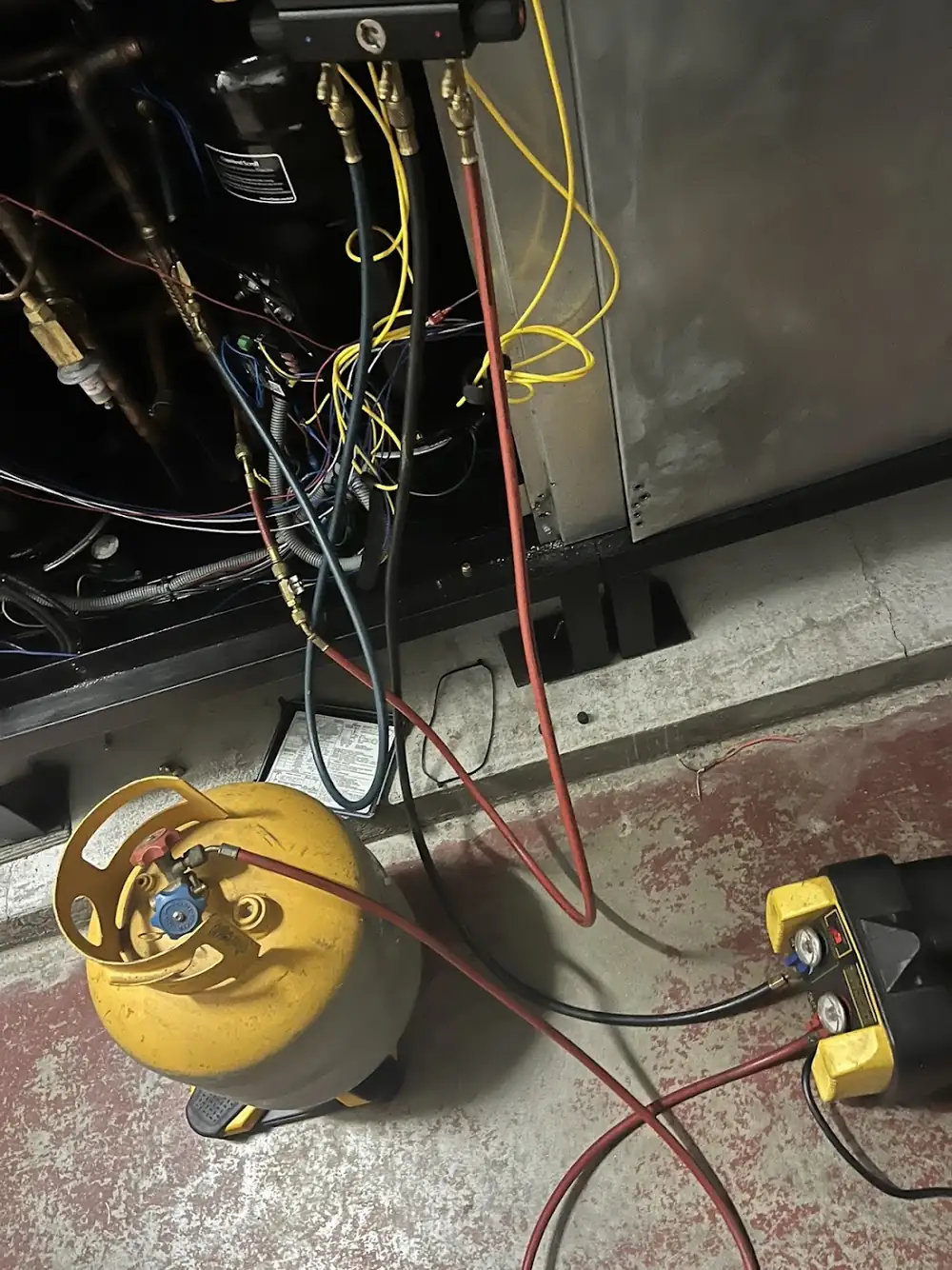
Quick answer: EPA’s leak repair requirements apply when an appliance with a full charge of 50 or more pounds is leaking ozone-depleting refrigerant above a trigger rate. For commercial refrigeration, including restaurant equipment, that trigger is 20% over 12 months. The owner or operator generally has 30 days from discovery to repair the leak, or 30 days to develop a retrofit or retirement plan. If you run a restaurant near Clayton, NC, start by finding out what your system holds.
A system that keeps needing refrigerant is telling you something. This is an overview of what EPA says, and it is not legal advice. EPA itself notes that anyone responsible for complying should read the actual regulation, 40 CFR Part 82, Subpart F, and that the requirements have recently been updated.
Who does the EPA leak repair rule apply to?
The rule falls on owners and operators, which can mean the restaurant, not just whoever services the equipment. It covers appliances with a full charge of 50 or more pounds that are leaking ozone-depleting refrigerant above the applicable rate.
EPA defines commercial refrigeration as refrigeration appliances used in the retail food and cold storage warehouse sectors. Retail food includes equipment in supermarkets, convenience stores, restaurants and other food service establishments.
What leak rates trigger it?
These trigger rates apply over a 12-month period, per EPA:
| Appliance type | Leak rate over 12 months |
|---|---|
| Industrial process refrigeration | 30% |
| Commercial refrigeration | 20% |
| Comfort cooling | 10% |
| All other appliances | 10% |
Comfort cooling covers air conditioning for occupied buildings, including commercial split systems and packaged rooftop units. So the walk-in and the rooftop unit on the same restaurant have different numbers.
What do you have to do once a leak crosses the line?
In general, the owner or operator must do one of two things:
- Repair the leak within 30 days of the date it was discovered, or
- Develop a plan within 30 days to retrofit or retire the appliance, and complete that plan within 1 year.
A copy of a retrofit or retirement plan has to be kept on site, and the original must be available to EPA on request.
What are verification tests?
After a repair, owners or operators of appliances over the trigger rate must conduct initial and follow-up verification tests at the conclusion of the repair work. EPA says they are essential to make sure the repair was successful. A leak that gets a top-off without a repair and a test does not meet that description.
Can you get more time?
Sometimes. EPA allows additional time where the necessary repair parts are unavailable, or if other federal, state or local regulations make a repair within the timeline impossible. Any appliance that needs additional time may be subject to recordkeeping and reporting requirements.
There is also mothballing: evacuating refrigerant from an appliance, or an isolated section of it, to at least atmospheric pressure and temporarily shutting it down. That can suspend the timelines, but they pick up again as soon as the system comes back online.
What happens if the first repair does not hold?
EPA describes two ways out of the retrofit or retirement requirement. One is a successful second effort to repair the same leaks. The other is determining, within 180 days of a failed follow-up verification test, that the leak rate is below the trigger. In that case the owner or operator has to tell EPA how the determination will be made, and submit that information within 30 days of the failed test.
Does my restaurant’s walk-in hit 50 pounds?
It depends on the system. A small walk-in may hold far less than 50 pounds, while larger systems serving several boxes can hold more. Do not guess. The nameplate and your service records are the place to start, and they will also tell you which refrigerant is in the system.
Even when the rule does not apply, a system that keeps losing refrigerant is losing money and running short. That is how you end up with a walk-in running warm. Our diagnostics and tune-ups are the right first step.
What about newer refrigerants?
The leak repair page above speaks to ozone-depleting refrigerant. Many systems run HFCs and HFC blends instead, and EPA regulates those through a separate set of rules. If you are replacing equipment, read the new refrigerant limits by equipment type. If you are unsure which rules apply to your system, EPA’s regulations are the final word.
Who can work on the refrigerant?
EPA’s Section 608 regulations require that anyone who maintains, services, repairs or disposes of equipment that could release ozone-depleting refrigerants into the atmosphere be certified. It is a fair question to ask of anyone working on your system.
What should you keep on file?
The rule has its own specifics, but a simple habit makes every conversation easier. Keep a log for each system: the date of each service call, what was found, what was repaired and how much refrigerant was added. If that log shows refrigerant going in again and again, it is time for a repair instead of another recharge. This pairs well with the six-month service list.
Why call Page Heating and Air about a refrigerant leak?
Page Heating and Air works on commercial refrigeration for restaurants, including walk-in coolers and freezers, all makes and models, from our base in Clayton out to towns like Princeton. We tell you what is going on and what it takes to fix it, with no runaround.
Keep adding refrigerant to the same system? Call (919) 809-0599 and tell us what you are seeing.
Sources
FAQ
Common Questions
Still have questions? Call (919) 809-0599 and ask.
What leak rate triggers the EPA rule for commercial refrigeration?
For appliances with a full charge of 50 or more pounds of ozone-depleting refrigerant, the trigger for commercial refrigeration is a 20% leak rate over a 12-month period. EPA counts refrigeration in restaurants and other food service establishments as commercial refrigeration.
How long do I have to fix a leak over the trigger rate?
In general, an owner or operator must repair the leak within 30 days of discovering it, or develop a plan within 30 days to retrofit or retire the appliance and complete it within 1 year. Initial and follow-up verification tests are required at the end of repair work.
Does the rule apply to every walk-in?
No. It applies to appliances with a full charge of 50 or more pounds of ozone-depleting refrigerant. Check the nameplate and your service records for the charge and the refrigerant type, and read the regulation at 40 CFR Part 82, Subpart F for specifics.
More articles
-
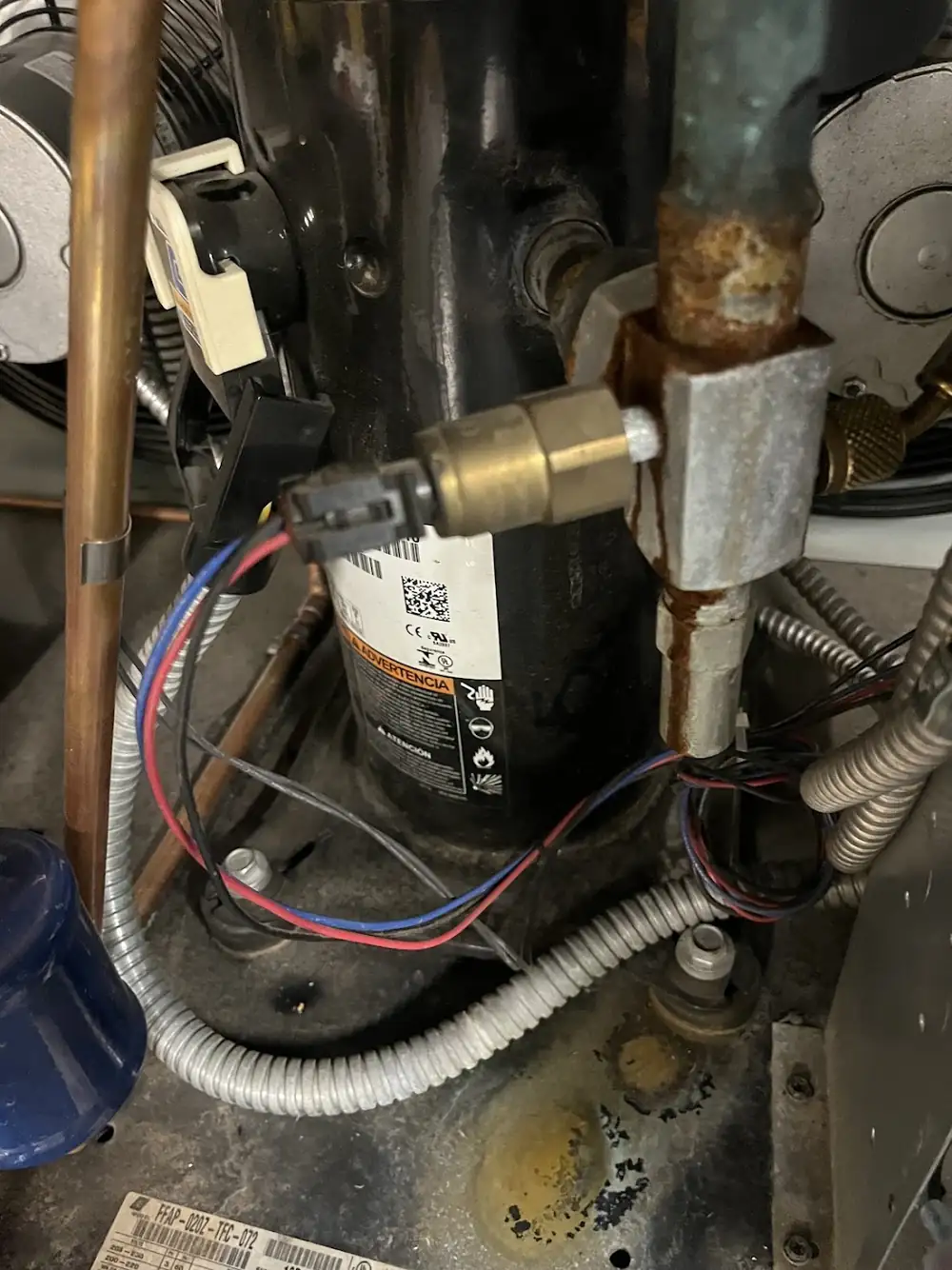
Repair or Replace That Reach-In? What an ENERGY STAR Model Saves
ENERGY STAR commercial refrigerators and freezers are 20% more efficient on average, but the savings range from $10 to over $110 a year. Here is how to weigh repair against replacement.
Read more -
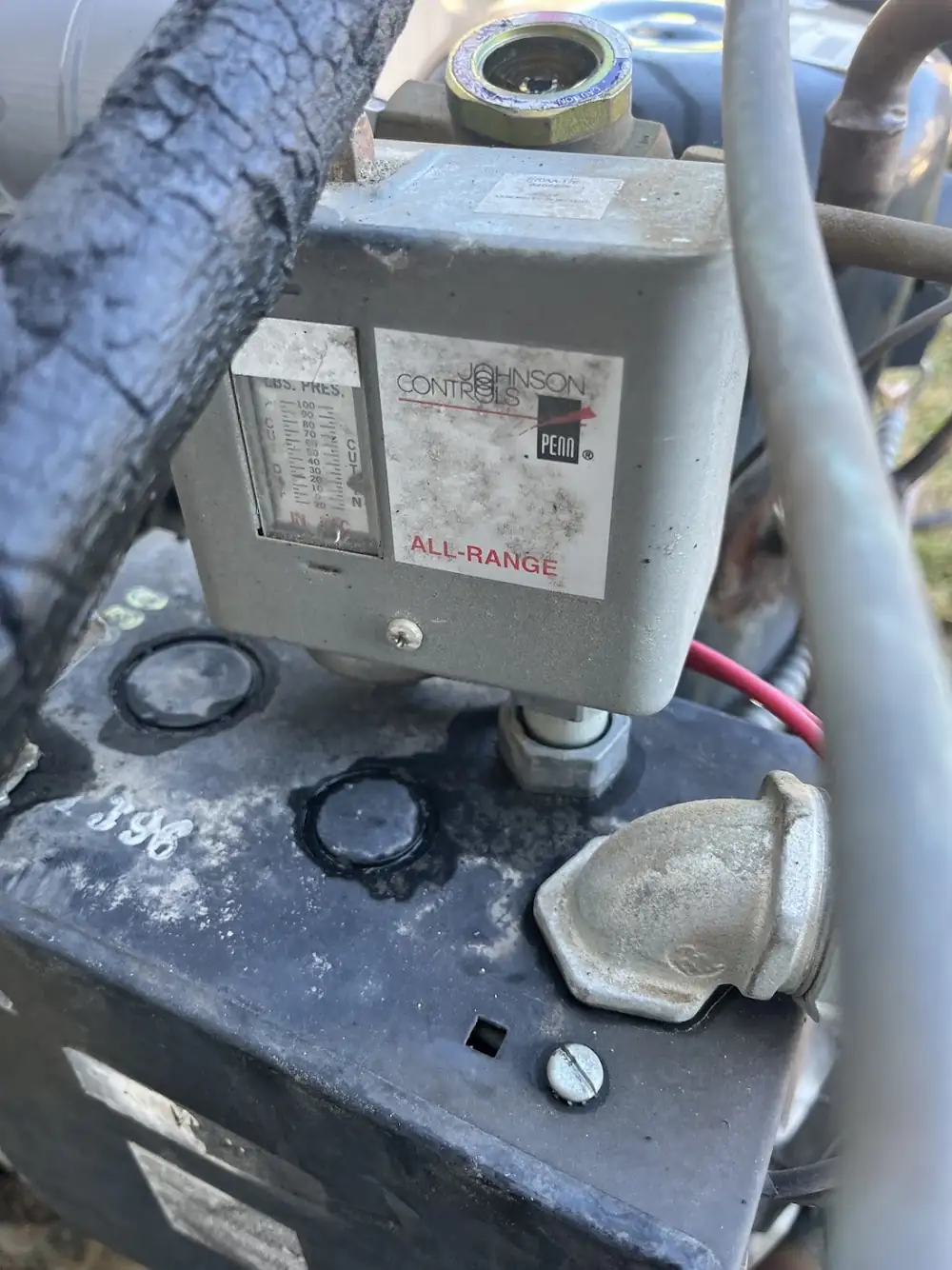
Replacing Restaurant Refrigeration: The New Refrigerant Limits by Equipment Type
Stand-alone units, remote condensing units and light commercial AC each have their own EPA refrigerant limit. Here is the table, what it means for a Johnston County restaurant, and what stays repairable.
Read more -
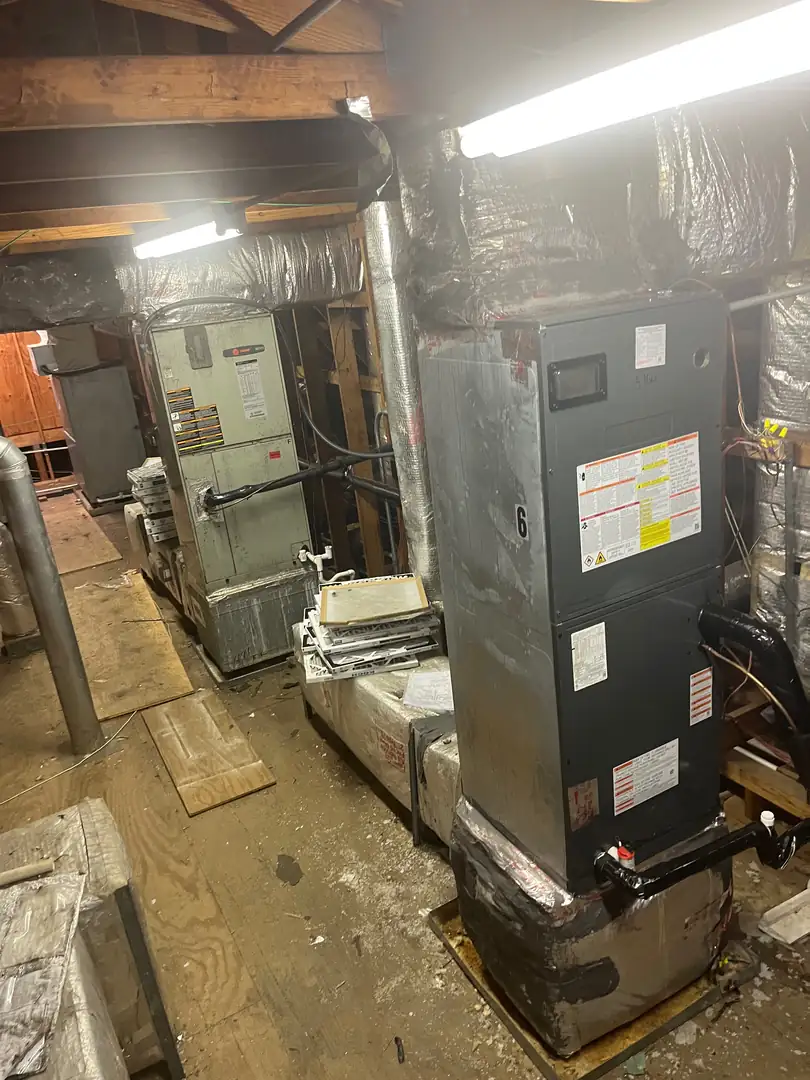
Restaurant HVAC Upkeep Between Service Calls
Check filters monthly, tune up once a year and check thermostats regularly. Here is ENERGY STAR's upkeep guidance for restaurants, with what your staff can handle around Johnston County.
Read more
Get In Touch
Ready to Get Started?
If this sounds like your situation, we can help.