
Blog
Replacing Restaurant Refrigeration: The New Refrigerant Limits by Equipment Type
Stand-alone units, remote condensing units and light commercial AC each have their own EPA refrigerant limit. Here is the table, what it means for a Johnston County restaurant, and what stays repairable.
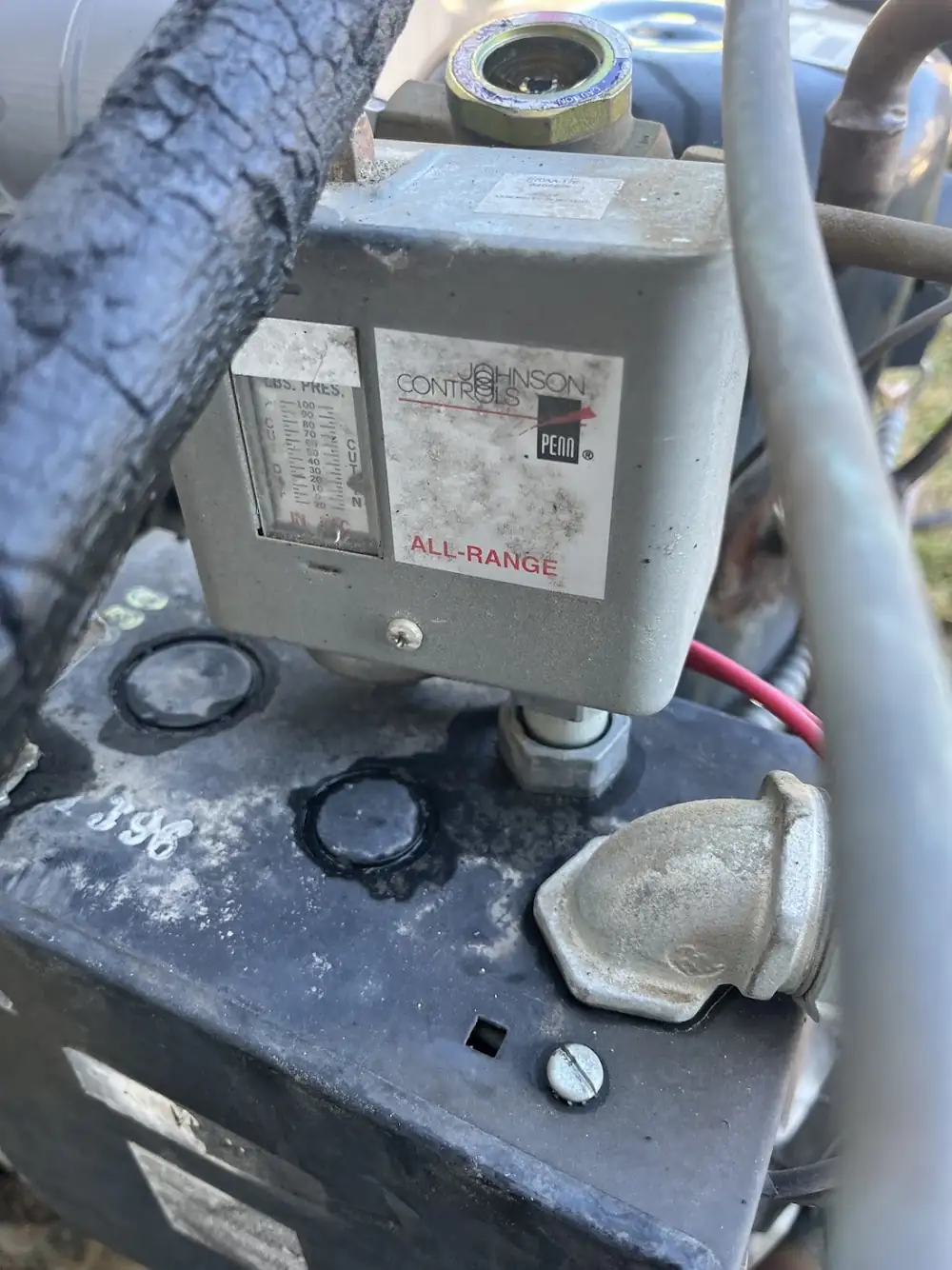
Quick answer: If you are replacing restaurant refrigeration, EPA’s limits depend on the equipment type. Stand-alone retail food units carry a global warming potential (GWP) limit of 150 from January 1, 2025. Remote condensing units carry 1,400 from July 27, 2026, dropping to 150 or 300 on January 1, 2032. Light commercial air conditioning carries 700 from January 1, 2025. For a Johnston County restaurant, the practical point is that repair parts are not restricted, so these rules matter most when you buy new.
You do not need to memorize a federal table to replace a cooler, but you do want to know the questions to ask. EPA says plainly that its tables are informational and should not be relied on for compliance; the actual rules are at 40 CFR Part 84, Subpart B. We read the page as updated on August 28, 2026.
What did EPA actually restrict?
Beginning January 1, 2025, certain technologies may no longer use high-GWP hydrofluorocarbons (HFCs) or HFC blends. The prohibitions apply to the manufacture, distribution, sale, installation, import and export of products containing restricted HFCs, and to the installation of new systems that use them.
EPA splits this into two groups: self-contained products, which arrive assembled, and systems, which are put together in the field.
What does GWP mean?
ENERGY STAR explains it this way: GWP compares the warming power of a substance to an equivalent amount of carbon dioxide, which has a GWP of 1. Some refrigerants are HFCs with GWPs hundreds or thousands of times higher. A lower limit means fewer refrigerants qualify.
Which limit applies to which equipment?
| Equipment (EPA subsector) | GWP limit | Compliance date |
|---|---|---|
| Retail food, refrigeration stand-alone units | 150 | January 1, 2025 (manufacture and import) |
| Retail food, remote condensing units, 200 lb or more charge, excluding high temperature side of cascade | 1,400, then 150 | July 27, 2026, then January 1, 2032 |
| Retail food, remote condensing units, under 200 lb charge | 1,400, then 300 | July 27, 2026, then January 1, 2032 |
| Retail food, supermarket systems, under 200 lb charge | 1,400, then 300 | January 1, 2027, then January 1, 2032 |
| Light commercial AC and heat pump systems, such as mini-splits and unitary systems | 700 | January 1, 2025 |
For stand-alone products, EPA adds that sale and distribution are prohibited three years after the manufacture and import date. For a stand-alone unit, that works out to January 1, 2028. EPA’s full table has more rows, including supermarket systems at larger charges, cold storage warehouses and ice machines.
The dates work differently for the two groups. Self-contained products are tied to when they were manufactured or imported, while field-assembled systems are tied to when they are installed. That is why the same question, how new is this equipment, can have different answers depending on what you are buying.
Do I have to replace what I already have?
No. EPA’s note is direct: it is restricting the installation of new field-assembled systems, and components used to repair existing systems are not subject to these restrictions. If your walk-in can be fixed, these limits do not force a replacement. Start with diagnostics and a straight answer on what the system needs.
Leaks are a separate question. A system that keeps losing refrigerant may fall under EPA’s leak repair rule, depending on its size and refrigerant.
Which row does a walk-in fall under?
A walk-in served by a separate condensing unit will often land in the retail food remote condensing row. Stand-alone reach-ins, where the refrigeration is built in, will often land in the stand-alone row. Equipment does not always fit neatly, and the regulation is what controls, so confirm the subsector before you buy.
If you are installing new remote condensing equipment now, the 1,400 limit is the one in force. The lower 2032 limit is the number to keep in mind for a system you expect to run for a long time.
What does this mean for restaurant air conditioning?
Air conditioning has its own line. Residential and light commercial systems, including mini-splits and unitary systems, carry a limit of 700 from January 1, 2025. EPA notes there is no installation compliance date for systems where all specified components were manufactured or imported before January 1, 2025, and points to its reconsideration rule for details.
So if you are looking at a new system or a mini-split for a back office, ask what refrigerant it uses and when it was built.
What should you ask before you buy?
- What refrigerant does this equipment use, and what is its GWP?
- Which EPA subsector does it fall under?
- Is it a self-contained product or a field-assembled system?
- If it is remote condensing equipment, what is the charge size? It decides which number applies in 2032.
- Are there rebates? ENERGY STAR points owners to its Rebate Finder and to local utilities.
ENERGY STAR also lists lower-GWP refrigerants for commercial refrigerators and freezers: R-600a, R-290, R-450A, R-513A and R-744 (carbon dioxide). Before you decide on a stand-alone unit, read repair or replace that reach-in for what a new one actually saves.
Why talk to Page Heating and Air before replacing restaurant refrigeration?
Page Heating and Air has served Clayton and the surrounding area since 2006, across Johnston County from Clayton to Benson. Before you sign anything, call and get a straight answer on whether the system in front of you can be repaired and what a replacement would involve. We’d rather give you honest answers than an unnecessary upsell.
Call (919) 809-0599 and tell us what you run.
Sources
FAQ
Common Questions
Still have questions? Call (919) 809-0599 and ask.
Can I still repair my existing refrigeration system?
EPA's restrictions on new field-assembled systems do not reach repairs. The agency's table notes that components used to repair existing systems are not subject to these restrictions.
What is the refrigerant limit for a remote condensing unit?
EPA's table lists a global warming potential limit of 1,400 for retail food remote condensing units from July 27, 2026. On January 1, 2032 it drops to 150 or 300, depending on charge size and configuration.
Does this table settle whether my equipment complies?
No. EPA says the tables are for informational purposes only and should not be relied on for compliance. The rules are at 40 CFR Part 84, Subpart B. The page we used was last updated August 28, 2026.
More articles
-
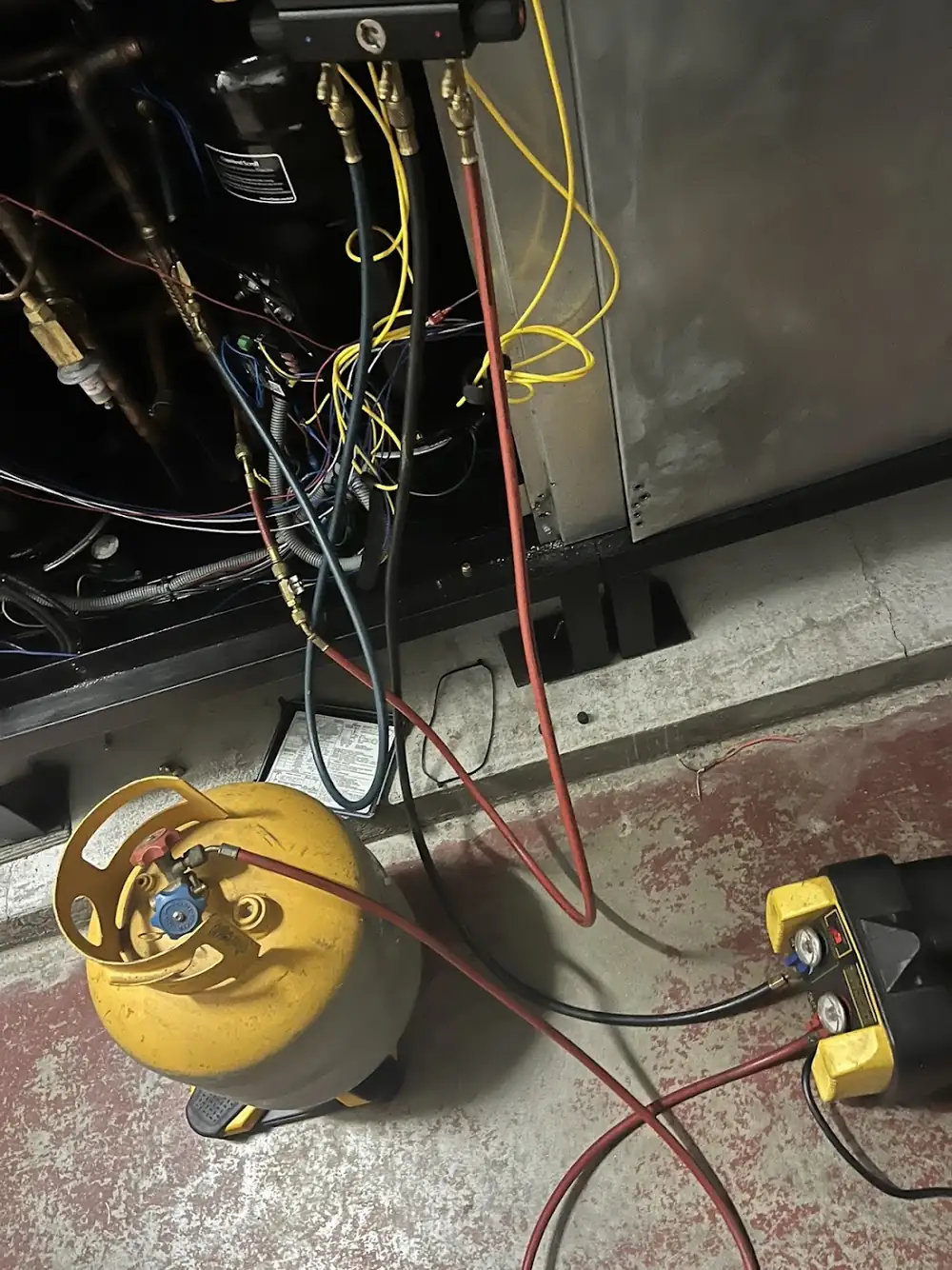
Refrigerant Leaks on Commercial Refrigeration: What the EPA Rule Says
The EPA's leak repair rule covers appliances with 50 or more pounds of ozone-depleting refrigerant. Here is the 20% trigger, the 30-day clock and what a restaurant owner should know.
Read more -
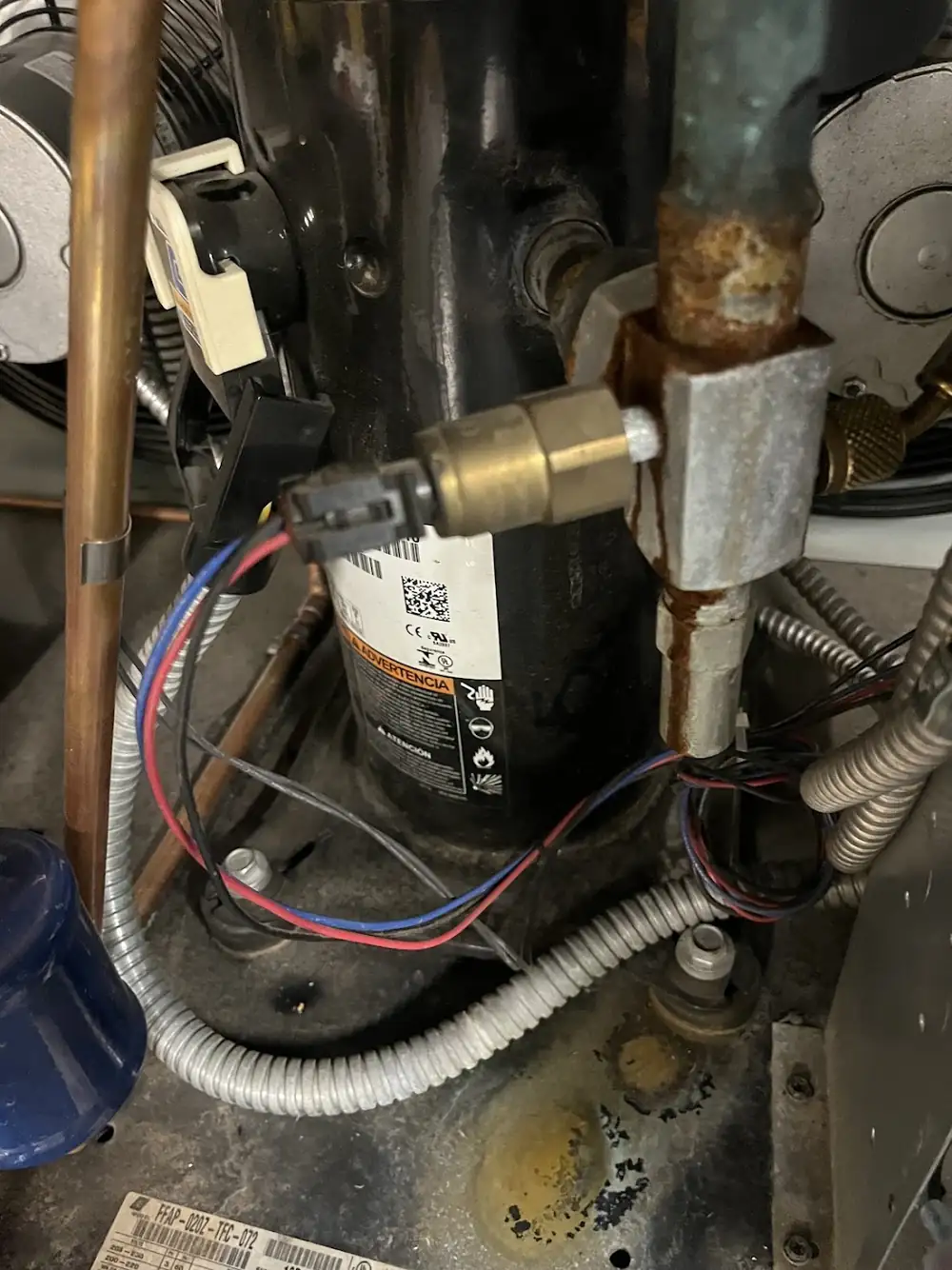
Repair or Replace That Reach-In? What an ENERGY STAR Model Saves
ENERGY STAR commercial refrigerators and freezers are 20% more efficient on average, but the savings range from $10 to over $110 a year. Here is how to weigh repair against replacement.
Read more -
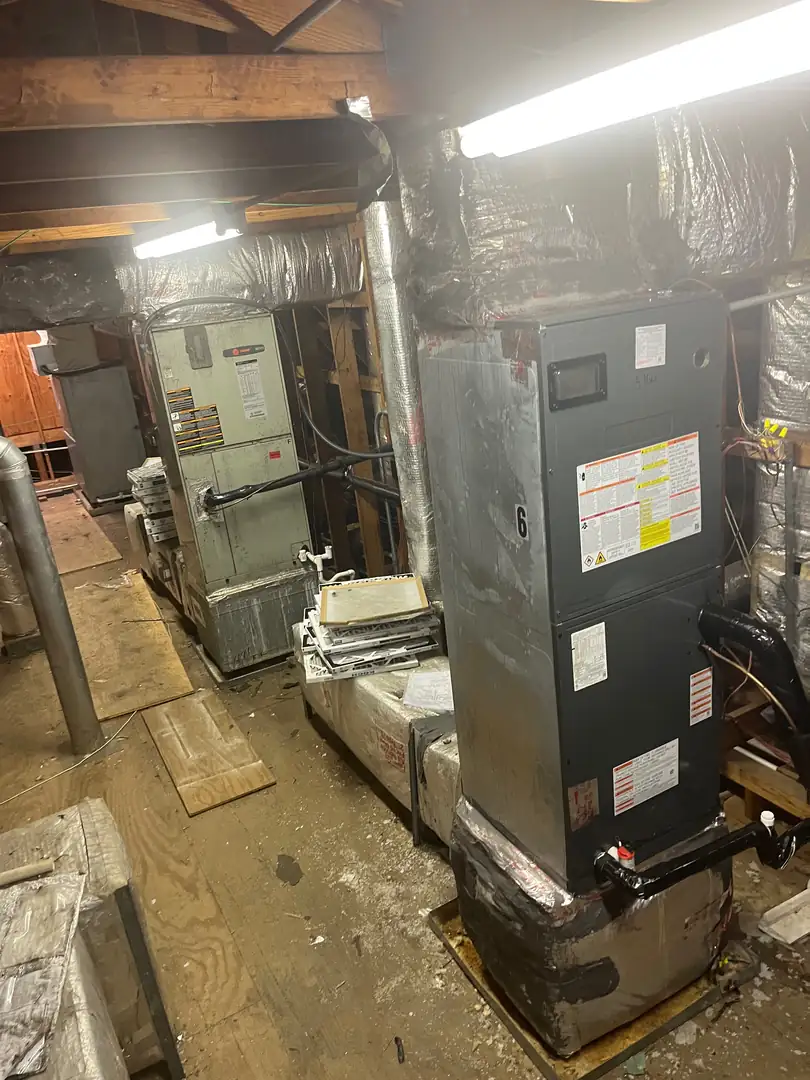
Restaurant HVAC Upkeep Between Service Calls
Check filters monthly, tune up once a year and check thermostats regularly. Here is ENERGY STAR's upkeep guidance for restaurants, with what your staff can handle around Johnston County.
Read more
Get In Touch
Ready to Get Started?
If this sounds like your situation, we can help.